
Premium China Curved Acoustic Slat Cladding for Modern Interiors
Achieving a balance between striking architectural aesthetics and professional-grade sound control is a common challenge in high-end interior design. When static walls are transformed into dynamic artistic installations, the goal is not just visual impact but the aggressive neutralization of ambient noise and echoes. This is where advanced acoustic solutions, such as high-density fiber cladding with geometric precision, become essential for creating serene environments optimized for focus and relaxation.
Whether designing a corporate executive office, a professional recording studio, or a luxury residential suite, the integration of three-dimensional patterns—such as hexagonal honeycombs or fluid waves—allows for a seamless blend of superior sound absorption and interior elegance. By utilizing eco-friendly MDF cores and premium finishes, these systems provide a sustainable way to optimize acoustic performance without compromising on the sophisticated style required for modern luxury spaces.

Engineering the Synergy of High-Density Fiber and 3D Geometric Design
The effectiveness of professional sound-absorbing panels lies in their internal composition. Our systems utilize a high-density acoustic fiber core paired with eco-friendly MDF, creating a structure that doesn't just block sound but actively absorbs it. The integration of PET sound-reducing pads further enhances the ability to eliminate reverberation, making these panels ideal for rooms with hard surfaces that typically cause echo problems.
Beyond the technical core, the visual depth is achieved through precision laser-cutting technology. By implementing complex geometric patterns like the hexagonal grid, the surface area is increased, which technically assists in diffusing sound waves while providing a modern, sculptural effect. This eliminates the need for additional decorative elements, as the cladding itself serves as a focal artistic installation.
- Acoustic Core: High-density polyester fibers for maximum echo reduction.
- Precision Finish: Laser-cut edges ensuring seamless fit for complex architectural curves.
- Sustainable Build: Non-toxic PET pads and sustainable MDF meeting global building standards.

Versatile Material Finishes for Diverse Architectural Applications
To meet the rigorous demands of both commercial and residential sectors, the surface materials are engineered for both durability and aesthetic versatility. High-end PVC options provide a sleek, moisture-proof finish that is easy to maintain, while natural wood veneers offer a timeless warmth and organic feel suitable for executive boardrooms or luxury bedrooms.
These finishes are not merely cosmetic; they are designed to withstand the wear and tear of high-traffic commercial environments. The moisture-proof and flame-retardant properties ensure that the installation remains safe and visually consistent over long-term use, regardless of the humidity levels or the strict safety ratings required by commercial building codes.
For architects and designers, this means the ability to match the acoustic treatment perfectly with the existing interior vision—whether that involves a marble-texture for a corporate lobby or a rich wood grain for a private home cinema—without sacrificing the sound-blocking capabilities of the PET fiber core.
Strategic Implementation in High-Demand Acoustic Environments
The deployment of acoustic cladding varies significantly depending on the primary goal of the space. In recording studios and podcast rooms, the focus is on eliminating internal reflections to ensure a "dry" sound. In open-plan corporate offices, the priority shifts to blocking external noise from neighboring rooms and reducing the overall decibel level of conversations.
Installation efficiency is a critical consideration for large-scale projects. Because these panels are lightweight and easy to cut, they significantly reduce labor costs and total installation time compared to traditional drywall and painting methods. The ability to customize heights from 2500mm up to 3000mm ensures that non-standard wall dimensions can be addressed without unsightly gaps or excessive seams.
In luxury residential settings, these panels are often used as room dividers or feature walls. This dual-purpose application allows homeowners to create a visual boundary between living areas while simultaneously improving the acoustic privacy of the home, ensuring that entertainment areas do not disturb sleeping or working quarters.
Technical Comparison: Acoustic Panels vs. Standard Wall Decor
| Feature | Standard Wall Decor | Felt Acoustic Panels | Primary Benefit |
|---|---|---|---|
| Noise Reduction | Minimal to None | Exceptional Absorption | Eliminates Echoes |
| Installation Time | High (Painting/Wallpaper) | Low (Fast-Mount) | Reduced Labor Cost |
| Aesthetic Value | Two-Dimensional | Three-Dimensional | Modern Architectural Depth |
| Maintenance | Frequent Repainting | Low-Maintenance | Long-term Durability |
| Material Safety | Varies by Paint/Paper | Flame-Retardant | Enhanced Fire Safety |
Quality Control and Custom Fabrication Standards
Maintaining consistent sound absorption coefficients requires strict adherence to material density standards. During the production process, the HDF/MDF core is rigorously inspected to ensure there are no voids or inconsistencies that could lead to "sound leaks." This precision ensures that every panel delivered to a project site performs exactly as specified in the acoustic engineering plan.
Custom fabrication is a core capability for complex architectural projects. By leveraging advanced laser-cutting technology, the ability to create bespoke patterns and sizes means that the cladding can follow the organic lines of a curved wall or fit precisely around structural columns. This level of customization transforms a functional acoustic requirement into a tailored design statement.
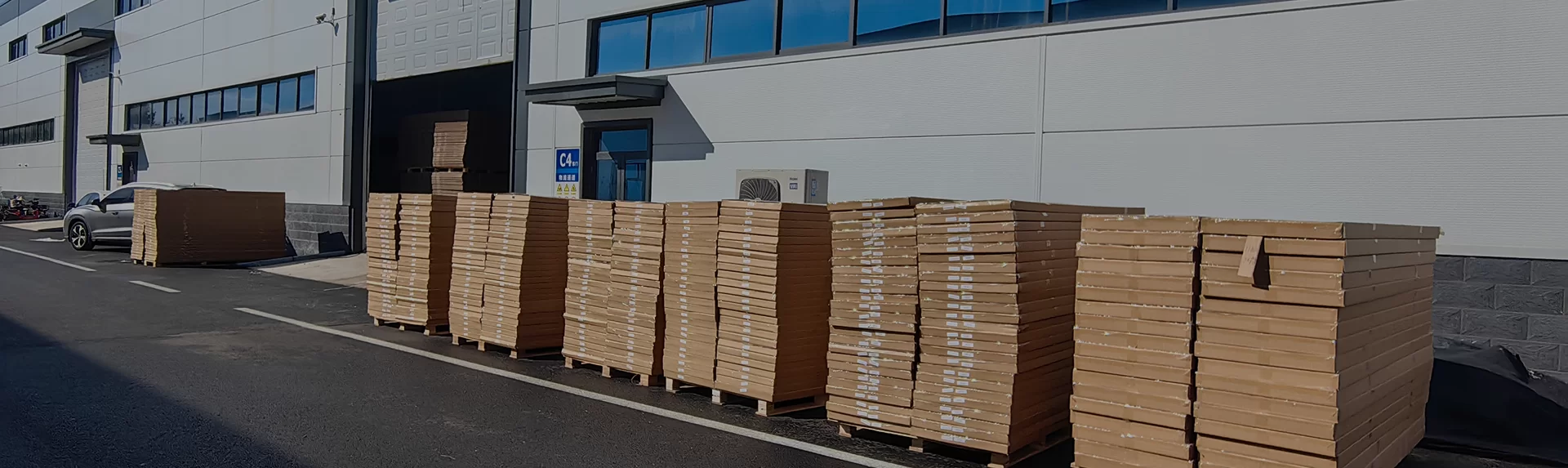
Logistics for oversized panels also demand specialized handling. Optimized packaging is employed to ensure that these high-finish surfaces arrive at global construction sites without damage, preserving the integrity of the PVC or natural wood veneers from the factory to the final installation point.
Future Trends in Sustainable Acoustic Architecture
The shift toward sustainable building materials is driving the adoption of non-toxic PET fibers and sustainably sourced MDF. Modern acoustic design is moving away from heavy, chemically intensive foams toward breathable, recyclable, and flame-retardant composites. This evolution ensures that indoor air quality is protected while acoustic performance is enhanced.
We are seeing an increasing demand for "multi-functional surfaces"—materials that provide thermal insulation, fire protection, and sound absorption in a single layer. The integration of smart materials and bio-based veneers is expected to further reduce the environmental footprint of interior decoration in the coming years.
For procurement managers and architects, the key to future-proofing a space is selecting materials that blend longevity with adaptability. Investing in high-density, modular systems allows for easier updates and modifications as the use of the space evolves, ensuring that the investment provides long-term value both functionally and aesthetically.
Frequently Asked Questions About Acoustic Cladding
What materials are used in light-weight building acoustic panels?
Our panels are crafted from a high-density MDF or HDF core, integrated with a sound-reducing PET fiber pad and finished with premium PVC or natural wood veneers for durability and style.
Can these panels be installed in commercial offices?
Yes, they are ideal for commercial spaces. Their fire-resistant properties and superior noise-blocking capabilities make them perfect for meeting rooms, open-plan offices, and studios.
How do I clean and maintain felt acoustic wall panels?
Due to the high-density surface and moisture-proof finishes, these panels are low-maintenance. Regular dusting or light vacuuming is typically sufficient to keep them in top condition.
Are the panels eco-friendly and safe for residential use?
Absolutely. We use eco-friendly MDF and high-density polyester fibers that are non-toxic and flame-retardant, ensuring a safe environment for homes and bedrooms.
Do you provide customized sizes for irregular wall spaces?
Yes, we specialize in non-standard sound-absorbing boards. We can customize heights from 2500mm to 3000mm and tailor patterns to fit your specific architectural requirements.
How effective are these panels at reducing echo?
Our panels are engineered to absorb sound waves rather than reflecting them, which significantly reduces reverberation (echo) and improves speech clarity in any room.
Technical References & Further Reading
- ISO Standards for Acoustic Performance of Building Materials
- ASTM International - Sound Absorption Testing Methods
- EPA Guidelines for Indoor Air Quality and Low-Emission Materials
- Architectural Trends in Sound-Absorbing Wall Installations
Ready to transform your commercial or residential space into a quiet, artistic sanctuary? Our team is available to provide tailored technical guidance and customized fabrication options to match your specific project requirements.
Related Architectural Solutions


